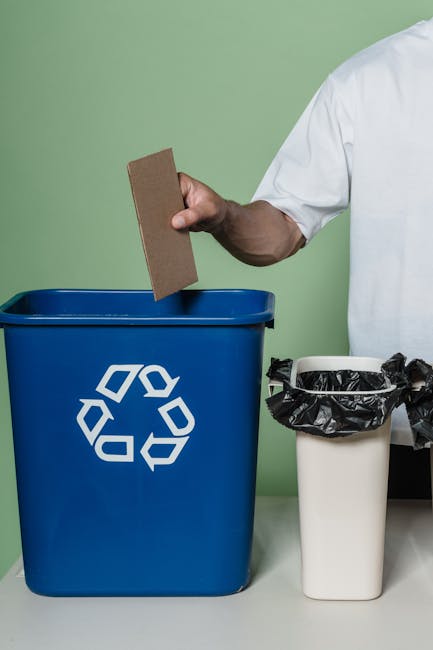
Disposing floral foam in W2: safe floral waste solutions
Posted on 01/06/2026
If you've ever taken apart a bouquet arrangement and found that stiff green foam tucked underneath the stems, you're not alone. Floral foam is common in shop displays, sympathy tributes, weddings, and event work, but disposing floral foam in W2: safe floral waste solutions is not as straightforward as tossing it in the nearest bin. The material breaks down into tiny fragments, can carry dyes and residue, and, frankly, it tends to get everywhere if you handle it carelessly.
This guide explains what floral foam is, why disposal deserves a bit of thought, and how to deal with it safely in Paddington W2 without making a mess or creating avoidable waste problems. You'll find practical steps, a simple comparison of disposal options, common mistakes to avoid, and a realistic checklist you can use whether you're a florist, an event organiser, or just clearing down flowers at home.
Table of Contents
- Why Disposing floral foam in W2: safe floral waste solutions Matters
- How Disposing floral foam in W2: safe floral waste solutions Works
- Key Benefits and Practical Advantages
- Who This Is For and When It Makes Sense
- Step-by-Step Guidance
- Expert Tips for Better Results
- Common Mistakes to Avoid
- Tools, Resources and Recommendations
- Law, Compliance, Standards, or Best Practice
- Options, Methods, or Comparison Table
- Case Study or Real-World Example
- Practical Checklist
- Conclusion
- Frequently Asked Questions
Why Disposing floral foam in W2: safe floral waste solutions Matters
Floral foam is designed to hold water and support stems, which is brilliant for keeping arrangements stable and fresh-looking. The catch is that the same structure that makes it useful also makes it awkward to dispose of. Once it has been used, floral foam can be crumbly, waterlogged, and mixed with stem ends, ribbon, wire, tape, or compostable flower matter. In other words: not a simple one-material job.
In a busy area like W2, where homes, hotels, offices, and event spaces often run on tight turnaround times, that waste can build up quickly. A wedding venue might clear table arrangements in one sweep. A florist may dismantle several sympathy tributes in a single morning. A home user might just want the kitchen counter back. Whatever the setting, the main risk is the same: if foam is handled poorly, it can scatter, contaminate other waste, and lead to unnecessary landfill volume.
There's also the practical side. Wet foam can stain surfaces, and those tiny particles have a way of clinging to bin liners, gloves, and worktops. Let's face it, nobody wants to be picking green crumbs off a windowsill at 9 p.m. after a long day. Safe disposal keeps work clean, makes waste easier to sort, and helps you separate floral material from packaging that may be recyclable elsewhere.
For businesses, there is another layer too: handling waste properly supports a more professional operation. If your work touches wedding flowers, sympathy pieces, or regular deliveries through flower delivery in Paddington W2, waste routines should be part of the process, not an afterthought. It's a small detail, but the sort of detail customers notice, even if they never say it out loud.
How Disposing floral foam in W2: safe floral waste solutions Works
The safest way to think about floral foam disposal is to treat it as a mixed waste item that needs preparation before it can be binned. It is usually made from a lightweight synthetic material that soaks up water and holds stems in place. Once arrangements are finished, the foam may still contain plant residue, colour dye, moisture, and attached bits of wire or tape.
That means disposal works best in three stages: separation, containment, and final disposal. First, remove everything that is not foam. Second, minimise breakage and dust. Third, place it in the correct waste stream according to the setup you have available. If you work in a florist shop, this may be a routine waste-sorting task. If you're at home, it might simply mean bagging the material securely before collection.
In real life, the "how" often depends on the arrangement. A compact vase design may leave behind only a small block of foam. A wreath or funeral tribute may contain several pieces, often damp and tangled with stems. Wedding and corporate work can be the most involved because foam may be fixed into mechanics, trays, or hidden bases. That is why it helps to separate the job into manageable steps instead of trying to wrestle the whole thing at once.
If you're already thinking about broader flower waste routines, it can be useful to keep your care and disposal habits aligned with the way you source and present flowers in the first place. Pages such as flower care and sustainability can sit naturally alongside this topic because good waste practice starts before the arrangement is even dismantled.
Key Benefits and Practical Advantages
Good floral foam disposal is not only about being tidy. It has some very down-to-earth benefits, and most of them show up quickly.
- Cleaner waste handling: less mess in bins, on floors, and around delivery areas.
- Safer working conditions: fewer sharp bits of wire hidden in the waste and less slippery residue on surfaces.
- Better waste separation: easier sorting of flower matter, packaging, and mixed waste.
- More professional presentation: especially important for florists, event spaces, and corporate accounts.
- Reduced contamination: recyclable items are less likely to get mixed in with foam and wet organic waste.
- Time saved later: a small bit of prep now usually beats a messy cleanup later. Always.
There is also a reputational benefit. Customers rarely ask, "How do you dispose of your floral foam?" but they do notice whether a florist seems organised, careful, and thoughtful. That perception matters if you're ordering sympathy flowers, wedding designs, or regular office arrangements. A business that handles floral waste properly tends to handle everything else with the same level of care.
And if you are ordering flowers that are likely to generate a lot of used materials - for example, event work from wedding flowers Paddington W2 or larger ceremonial arrangements from funeral flowers Paddington W2 - clear waste routines make the end-of-life process far less stressful.
Who This Is For and When It Makes Sense
This topic is useful for more people than you might expect. In Paddington and the wider W2 area, floral foam disposal matters to anyone handling fresh flowers regularly or occasionally.
- Florists and floral studios managing daily production waste.
- Event planners and venue teams clearing installations after weddings, launches, and receptions.
- Hospitality teams looking after lobby flowers, restaurant displays, and meeting room arrangements.
- Office managers who receive weekly or monthly flowers for reception spaces.
- Home users who want to dispose of bouquet foam safely after an arrangement has finished its life.
- Bereavement and sympathy settings where tributes may include multiple foam components and delicate materials.
It makes the most sense whenever you are dealing with used arrangements, particularly when the flowers have been removed and you are left with the support material. That might be after same-day floral deliveries, seasonal displays, or a tribute arrangement that has been in place for several days. The job is not glamorous. Then again, waste never is. But it's a real part of keeping a floral workflow smooth.
For customers, the best next step is often to choose arrangements and services that match the scale of the occasion so waste stays manageable. If you are sending something simple and elegant, send flowers Paddington W2 or browsing cheap flowers Paddington W2 can still give you a neat result without unnecessary bulk.
Step-by-Step Guidance
If you want a straightforward process, use this sequence. It keeps things calm and avoids the "where did all these crumbs come from?" moment.
- Remove visible flowers and foliage. Pull stems out gently to avoid tearing the foam into smaller pieces. If the arrangement is old and fragile, do this over a tray or lined bin.
- Check for mixed materials. Look for wire, ribbon, plastic picks, tape, and plastic sleeves. These should be separated where possible.
- Let excess moisture drain. If the foam is very wet, allow it to drip into a sink or a lined container for a short while. Don't squeeze it aggressively; that just makes the mess worse.
- Break large sections down carefully. Use gentle pressure or a knife only if needed, and work over a bin or mat. Smaller sections are easier to bag, but don't crumble it into dust.
- Bag the foam securely. Use a sturdy waste bag. If you're dealing with a lot of it, double-bagging is sensible. The goal is to stop fragments escaping.
- Dispose through the correct waste stream. If your site has mixed general waste only, place it there unless your waste contractor gives different instructions. If you have a dedicated business waste setup, follow that system.
- Wipe and inspect the work area. A quick clean-up with a damp cloth or brush saves time later and keeps bits from migrating into carpets, drains, or packaging areas.
That's the basic routine. No drama, no mystery. If you do it the same way every time, it becomes part of muscle memory, and honestly that's where good waste management starts.
Expert Tips for Better Results
A few small adjustments can make floral foam disposal far easier. These are the sort of things experienced florists tend to learn the hard way, usually while sweeping tiny green crumbs off the floor at closing time.
- Use a lined tray or bowl for dismantling. It catches drips and loose particles before they spread.
- Separate dry and wet waste early. Flower heads, stems, paper, foam, and plastics behave differently in the bin, so don't lump everything together.
- Keep a dedicated waste caddy nearby. A small bin beside the workbench makes the whole job smoother.
- Use blunt tools for removal where possible. You don't want to slice through foam and send fragments bouncing across the room.
- Don't let foam dry out on open surfaces. Dry foam tends to break apart more readily and can create extra dust and mess.
- Train all staff on the same process. The waste routine should not depend on who happened to be on shift that day.
For businesses, it also helps to connect waste handling with supplier choices. If you regularly receive boxed arrangements through flowers by post Paddington W2 or use a local florist in Paddington W2, ask how arrangements are constructed and whether certain mechanics could be simplified for easier breakdown. Sometimes a small design change saves a surprisingly large amount of disposal time.

Common Mistakes to Avoid
Most problems with floral foam disposal come from speed, not bad intentions. People just want the arrangement gone and the area clean. Fair enough. But a few shortcuts create unnecessary hassle.
- Throwing the foam into recycling. It usually does not belong there, and it can contaminate the whole load.
- Crushing it into tiny bits too early. That spreads fragments around and makes cleanup harder.
- Mixing foam with clean card or packaging. If the packaging can be reused or recycled separately, keep it apart.
- Pouring large amounts of waterlogged waste straight into a sink. Small residues may be fine, but chunks of foam can block drains. Nobody needs that call.
- Ignoring hidden wire or plastic picks. These can be sharp, and they also affect sorting.
- Using weak bin liners. Wet foam plus sharp stems equals torn bags, usually at the worst possible moment.
If you manage a business site, another mistake is assuming floral waste can be treated exactly like food waste or garden waste. It often can't. The right answer depends on your site setup and waste contractor instructions, so use a clear internal policy rather than guessing each time.
Tools, Resources and Recommendations
You do not need specialist equipment to handle floral foam safely, but a few basic tools make the process much less awkward.
| Tool or item | Why it helps | Best use |
|---|---|---|
| Sturdy bin liners | Contain wet fragments and reduce leakage | General disposal and transport to outside bins |
| Tray or lined workstation | Catches crumbs, petals, and drips | Dismantling arrangements |
| Gloves | Protects hands from damp residue and hidden wire | All foam handling |
| Small hand brush or cloth | Makes cleanup faster | After removal and bagging |
| Waste segregation labels | Keeps staff consistent | Busy florist and event workrooms |
For broader flower-handling support, a sensible place to start is flower care, especially if you want the full cycle from delivery to disposal to feel more organised. If you are buying with sustainability in mind, the sustainability page can also help frame the kind of practices that keep waste leaner in the first place.
And if your work touches larger orders or repeat arrangements, corporate accounts can be a useful model for planning predictable flower usage and waste routines. Not glamorous, sure, but very practical.
Law, Compliance, Standards, or Best Practice
Waste handling in the UK should always follow the current rules that apply to your premises, your waste contractor, and the type of waste you produce. I'm being careful here because the exact requirements can vary, and it would be unhelpful to pretend there is one universal answer for every business or household.
As a general best-practice approach, floral foam should be treated as non-recyclable mixed waste unless your local waste provider tells you otherwise. It is not the same as clean cardboard or green garden clippings. If the foam is attached to wires, plastic picks, or other materials, those should be separated where feasible before disposal.
For businesses in W2, it is wise to have a simple written routine for waste sorting. That doesn't need to be a huge document. Just enough to tell staff what goes where, who checks the bin area, and how wet floral waste is bagged. If you use an external waste contractor, follow their instructions first. If your site has specific collection rules, those matter more than guesswork from a hurried Monday morning.
Best practice also means keeping an eye on what can be reduced upstream. If you can use less foam, or use it only where necessary, disposal becomes much easier. Some designs - especially vase work, loose hand-tieds, and certain sympathy pieces - may not need much of it at all. That's where careful selection of arrangement style and mechanics really pays off.
For related local service planning, pages such as delivery, returns and refund, and guarantees help build the trust side of the journey. A clean waste process is part of that same professionalism, even if it sits behind the scenes.
Options, Methods, or Comparison Table
There isn't a single "perfect" method for every situation, but there are a few sensible approaches. Here's a practical comparison.
| Method | Best for | Pros | Watch-outs |
|---|---|---|---|
| General waste bagging | Home users and small-scale use | Simple, quick, widely workable | Can add to landfill if used heavily |
| Structured business waste sorting | Florists, venues, offices | Cleaner workflow, better separation | Needs staff consistency |
| Reuse of a clean support piece | Limited DIY or display repurposing | Reduces waste where safe and suitable | Only useful if the foam is still intact and hygienic enough |
| Switching to lower-foam designs | Regular floristry and event work | Less waste from the start | May require design adjustment or customer explanation |
In many cases, the real win is not fancy disposal at all. It's choosing a design that produces less waste in the first place. For instance, some vase arrangements and hand-tied flowers from flowers in a vase reduce the amount of support material that needs to be managed later. That's a small shift, but it adds up over a week.
Likewise, if you're choosing flowers for a celebration, a simpler design from birthday flowers Paddington W2 or a neat seasonal bouquet can be easier to handle than a very foam-heavy display. Less fuss. Less mess. Sometimes that's exactly what you want.
Case Study or Real-World Example
Here's a realistic example from a typical W2 workflow. A florist finishes a small wedding order on a Saturday afternoon: several table arrangements, two bridesmaid pieces, and a large display for the reception desk. By the end of the night, the flowers have been collected for any possible reuse, but the foam bases remain. The team could throw everything into one bag and deal with it later. Instead, they spend ten minutes separating the materials while the work area is still set up.
They remove stems first, then place the foam pieces onto a lined tray. Wire and tape are collected separately. Wet residue is allowed to drip off briefly, and the foam is bagged before it starts shedding. The result? Less waste on the floor, no torn bin liners, and far less cleanup the next morning.
Now compare that with the common rushed version: foam pieces tossed loosely into an overfilled bin, a few fragments stuck to the trolley wheel, and someone discovering green crumbs in the doorway two hours later. Not disastrous, but annoying. And waste management, as it turns out, is mostly about avoiding annoying.
The same approach works for sympathy work too. A tributes team using funeral flowers Paddington W2 may deal with many arrangements that contain hidden mechanics. If they separate the components thoughtfully, the whole process stays respectful, tidy, and easier to manage for the next delivery run.
Practical Checklist
Use this checklist when you're clearing floral foam in W2. It's simple on purpose.
- Wear gloves if the foam is wet, dirty, or mixed with wire.
- Remove flowers and stems before touching the foam itself.
- Check for tape, pins, wire, and plastic picks.
- Work over a tray, liner, or bin opening to catch crumbs.
- Avoid crushing foam into dust.
- Bag it securely, preferably in a strong liner.
- Keep recyclable packaging out of the foam waste.
- Wipe down the surface after removal.
- Follow your waste contractor's instructions if you run a business.
- Review whether the arrangement style could be made less waste-heavy next time.
If you are setting up repeat flower orders or planning events, it can also help to browse ranges such as any occasion, weddings, or funerals so you can choose designs that match the job without overcomplicating the waste side. That little bit of foresight saves hassle later. Every time.
Conclusion
Disposing floral foam in W2: safe floral waste solutions is really about three things: keeping people safe, keeping workspaces tidy, and keeping waste streams as clean as possible. Once you get into the habit of separating materials, containing fragments, and following a consistent routine, the whole process becomes much less of a headache.
For homes, that means less mess after a bouquet fades. For florists and venues, it means a more professional operation and a smoother end-of-job clean-up. And for anyone in Paddington working with flowers regularly, it's a small operational habit that makes a bigger difference than it first appears.
If you can reduce foam use at the design stage as well, even better. Less waste to begin with usually means less time dealing with it at the end. Simple really. Not always easy, but simple.
Get a free quote today and see how much you can save.
When the flowers are gone and the last tray is cleared, it's nice to know the space is ready for whatever comes next.
Frequently Asked Questions
Can floral foam go in general waste?
In many cases, yes, floral foam is disposed of in general waste unless your local waste provider gives different instructions. It should usually be bagged securely first so it does not break apart and scatter.
Can I recycle floral foam in W2?
Usually not through normal household recycling. Floral foam is typically treated as mixed waste rather than a recyclable material. If you run a business, check your waste contractor's guidance rather than assuming.
What is the safest way to remove floral foam from an arrangement?
Remove flowers and stems first, then lift the foam carefully over a tray or lined bin. If the foam is very wet, let it drain briefly before bagging it.
Is floral foam the same as compostable flower waste?
No. The flowers and stems may be organic, but the foam itself is synthetic and should not be mixed into compost unless a specialist waste route specifically allows it. Most of the time, it should be separated.
Should I wear gloves when handling used floral foam?
Gloves are a good idea, especially if the foam is wet, dirty, or mixed with wire and tape. They help protect your hands and make cleanup a bit less fiddly.
Can I pour water from floral foam down the sink?
Small amounts of water are not usually a problem, but avoid tipping chunks of foam into a sink or drain. Foam fragments can cause blockages and create more mess than they solve.
What should I do with wire and plastic picks from floral arrangements?
Separate them if you can. Wire, picks, tape, and ribbons are best kept out of the foam waste so sorting is easier and cleaner later.
How do florists in W2 usually manage floral foam waste?
Most florists use a simple routine: dismantle over a tray, separate flowers and packaging, bag the foam securely, and place it in the correct waste stream for their site. Consistency is the key.
Is floral foam disposal different for weddings and funerals?
The core method is similar, but these arrangements often contain more hidden mechanics and mixed materials, so the dismantling step can take a little longer and needs a bit more care.
What is the best way to reduce floral foam waste overall?
The best approach is to use less foam in the first place. That can mean choosing vase arrangements, hand-tied designs, or simpler mechanics where suitable. Good planning helps a lot.
Do I need a special contractor to remove floral foam?
Not always. Many small amounts can go out with normal waste. Larger commercial volumes may need a more structured waste arrangement, so it depends on how much you produce and what your contractor allows.
Where can I find more help with flower care and sustainability?
Start with the site's flower care and sustainability pages. They are useful for building better habits around the whole life cycle of flowers, not just disposal.