Permits for event flower displays at Paddington venues explained
Posted on 09/10/2026
Planning flower displays for an event in Paddington sounds simple until the venue asks a quiet little question: do you need permission? That is where Permits for event flower displays at Paddington venues explained becomes more than a search phrase. It is the difference between a smooth setup and a last-minute scramble by the loading bay, with buckets of water, ribbon, and a stressed coordinator checking the clock.
Whether you are dressing a hotel lobby for a launch, styling table centres for a private dinner, or arranging ceremony flowers in a heritage space, permit requirements can shape what you can place, where you can place it, and how early you can arrive. In Paddington especially, venues often balance guest flow, fire safety, access restrictions, and shared building rules. The good news? Once you understand the process, it becomes manageable. This guide explains the practical side in plain English, so you can plan confidently, avoid awkward setbacks, and get the flowers exactly where they belong.
- Why permits matter
- How the permit process works
- Benefits for your event
- Who needs permission
- Step-by-step guidance
- Expert tips
- Common mistakes
- Tools and resources
- Compliance and best practice
- Options and comparison
- Real-world example
- Checklist
- Conclusion
- Frequently asked questions
Why Permits for event flower displays at Paddington venues explained Matters
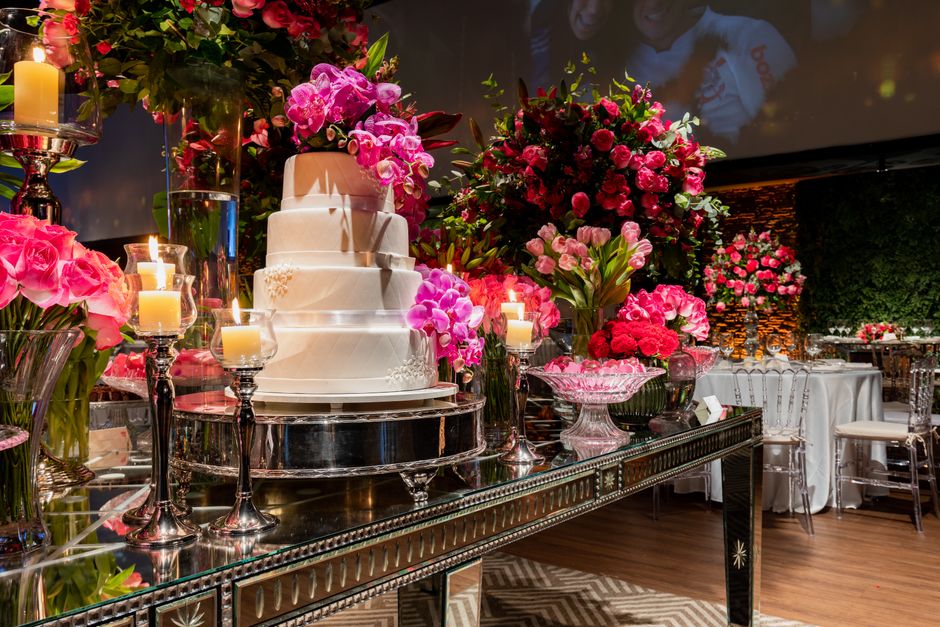
Flower installations look effortless when they are done well. A clean arch at the entrance, a few low arrangements on round tables, maybe a statement piece near a welcome sign. But venues do not just see decoration. They see routes, surfaces, ignition risks, cleaning implications, and guest movement. That is why permit approval matters.
In Paddington, many events happen in places that are busy, multi-use, or closely managed: hotels, function rooms, restaurants, members' spaces, galleries, and corporate buildings. A display that looks harmless can still need approval if it changes access, uses freestanding structures, or introduces water, foliage, candles, or fixing materials. And if the venue is in a shared building, there may be an extra layer of building management rules. Annoying? A bit. But understandable.
Permits also help protect the event itself. If you skip the right approvals, you may be told to remove items on the day, or you may lose time while staff review what is allowed. That is not a nice moment when guests are arriving and someone is asking where the bridal table flowers have gone. In our experience, the best events are the ones where the floral plan is boring in the best possible way: approved, documented, and quietly under control.
There is also the trust side. When a venue sees that you have thought about compliance and access, they are more likely to be helpful, flexible, and calm. That relationship matters, especially in a busy London area where turnarounds can be tight and everyone is juggling more than one event. To be fair, that goodwill is worth quite a lot.
How Permits for event flower displays at Paddington venues explained Works
The exact process depends on the venue, but most approvals follow a similar pattern. First, you share your floral plan. Then the venue checks whether the display is allowed, whether it needs an internal permit, and whether any extra safety measures are required. If the venue sits within a larger property or managed estate, building management may also have to sign off.
Think of a permit as a practical sign-off rather than a dramatic legal document. It usually confirms the type of flowers, installation method, delivery timing, staffing, fixings, and any restrictions on height, weight, or placement. Sometimes it is informal and handled by email. Sometimes it is tied to a venue supplier agreement. Sometimes, yes, it feels a little bureaucratic. But it is there to keep everyone on the same page.
For more involved flower installations, the venue may ask for a risk assessment or method statement. That sounds technical, but it simply means a short document explaining how the flowers will be delivered, assembled, secured, and removed without causing damage or interruption. If the arrangement is near exits, electrical fittings, fire alarms, or guest circulation routes, expect closer scrutiny.
For smaller arrangements, the process may be as simple as saying what will arrive, where it will go, and who is responsible for setup. Even then, getting written approval is wise. A verbal "yes" in a busy pre-event call can vanish by Friday afternoon. Emails, however, are stubborn little things. They stay put.
| Display type | Likely approval need | Typical venue concern | Practical note |
|---|---|---|---|
| Table centrepieces | Often low to moderate | Space, water, sightlines | Keep them stable and not too tall |
| Entrance installations | Usually higher | Access, crowd flow, branding | Confirm setup and strike timing early |
| Flower arches or backdrops | Usually formal approval | Structural safety, footprint, fixing points | Ask about anchoring and load limits |
| Floral displays near candles or lighting | Often special review | Fire safety | Check venue policy before design work begins |
| Deliveries to shared buildings | Frequent coordination required | Loading access, lift use, timings | Book the delivery window carefully |
Key Benefits and Practical Advantages
The obvious benefit is avoiding trouble. The less obvious benefit is that permits make the whole event run more smoothly. When the venue knows what is coming, staff can plan around it. That can mean a better unloading route, better timing for installation, and fewer awkward surprises on the day.
Another major benefit is consistency. If you are planning more than one event, or working as an organiser, caterer, or florist, having a clear approval process makes repeat work much easier. You are not re-explaining the same setup every time, and the venue is not guessing what the flowers are going to do.
There is also a design benefit, oddly enough. Once you know the boundaries, you can create better flowers. You might choose lower arrangements because sightlines matter. You may use lighter mechanics because the venue will not allow heavy bases. You may switch to more portable designs that install quickly in a busy building. Constraints can sharpen the result. Not always, but often enough.
From a client perspective, permit awareness builds confidence. If a couple, employer, or private host asks, "Will this work here?", you can answer with real detail instead of a hopeful shrug. That reassurance tends to matter just as much as the flowers themselves. People notice when someone has thought it through.
- Less risk of last-minute changes when the venue has approved the plan in advance.
- Better coordination with loading, lifts, security, and event staff.
- Reduced damage risk to floors, walls, furniture, and fabrics.
- Improved safety around exits, fire points, and guest walkways.
- Cleaner execution for the florist, planner, and venue team.
Who This Is For and When It Makes Sense
This matters for more people than you might think. A lot of readers assume permits are only for giant weddings or dramatic floral ceilings, but that is not quite right. Even relatively modest displays can trigger venue questions if they affect the space.
You may need approval if you are:
- planning a wedding at a Paddington venue
- organising a corporate event or brand launch
- arranging a private dinner, anniversary, or engagement party
- styling a reception desk, foyer, or conference space
- working in a listed, shared, or managed property
- bringing in large, branded, or freestanding floral pieces
It also makes sense to ask early if your design includes unusual materials. For example, if flowers are combined with candles, hanging elements, or custom structures, the venue will likely want more information. Same if you need early access, same-day setup, or overnight installation. Paddington venues often work on tight schedules, and a beautiful plan still has to fit around housekeeping, security, and other bookings.
If you are unsure, ask the venue what they need to see. Simple question. Saves a lot of noise later.
Step-by-Step Guidance
Here is a practical way to handle permits without overcomplicating the job.
- Start with the venue contract or event brief. Check whether floral installations are mentioned at all. Some venues have preferred suppliers, setup rules, or restrictions buried in the small print.
- Describe the display clearly. Include location, size, approximate height, quantity, mechanics, and whether any items will be fixed to walls, furniture, or structures.
- Ask what approval is needed. The venue may say yes informally, request a method statement, or require a sign-off from management.
- Share timing and access details. Mention delivery slots, installation time, strike time, loading access, lift use, and any security checks.
- Confirm fire and safety points. Ask where flowers cannot go, whether open flames are banned, and whether exits or detectors need to remain clear.
- Get written confirmation. Email approval is often enough, but keep it saved. Screenshots, chain emails, and booking notes are all useful.
- Brief everyone involved. Florists, planners, venue staff, and suppliers should all know the approved plan. One person missing the memo is enough to cause a wobble.
- Recheck close to the event. If the event layout changes, confirm that the floral plan still fits. Venues do change their minds from time to time.
One practical tip: if the arrangement is elaborate, prepare a simple visual. A sketch or mood board can help the venue understand the footprint better than a paragraph of text. It does not need to be fancy. Even a neat annotated image can do the job.
Expert summary: The safest approach is to treat floral approval as part of event logistics, not a side task. The earlier you check, the easier it is to choose a design that suits the venue rather than fighting it.
Expert Tips for Better Results
There are a few habits that make the whole process much easier. None of them are dramatic, but they save time and stress.
- Design for the venue, not just the mood board. A grand concept can look lovely on paper and be a headache in a compact room with narrow doors.
- Keep mechanics discreet and stable. Weighted bases, water-safe containers, and tidy finishing details matter more than people realise.
- Choose flowers that travel well. Paddington setup times can be tight, so hardy blooms and sensible conditioning help.
- Ask about protective measures. Floor coverings, drip trays, and felt pads can prevent damage and win you points with venue staff.
- Build in a buffer. Trains running late, lifts booked, taxi delays... London is London. Give yourself breathing room.
- Use a single point of contact. One organiser, one florist, one venue lead. Too many voices can muddy the approval process fast.
We have found that venue teams respond best to calm, specific information. Not a big dramatic pitch, just the facts. What is it? Where does it go? How long will it stay? What could go wrong? That is usually enough.
If you are planning seasonal styling, it can help to choose a flower palette that is easy to source and easy to manage. For wider inspiration, browse all flowers or a more tailored style such as luxury flowers when your event needs a polished finish. For weddings, a dedicated range like wedding flowers in Paddington can help you compare display styles without reinventing the wheel.
Common Mistakes to Avoid
Most permit problems are not caused by bad intent. They come from small oversights that pile up. The useful thing is that nearly all of them are avoidable.
- Assuming "flowers are harmless" means no approval is needed. Venue rules often go far beyond the obvious.
- Forgetting about access routes. A display can be rejected simply because it blocks staff movement or delivery access.
- Using the wrong fixings. Tape, hooks, ties, and hanging methods can all be restricted.
- Leaving timing too late. If the setup window is unrealistic, approval may be withheld or the design scaled back.
- Not checking the strike plan. Removal matters too. Venues want to know how quickly the space will be restored.
- Ignoring shared-building rules. A venue might say yes, while building management says no. That one stings.
There is another easy mistake: making the display too ambitious for the setting. A huge floral arch in a compact Paddington function room can be lovely in theory, but if it swallows the dance floor, it stops being practical. The best floral work feels integrated, not forced.
And yes, sometimes the problem is just poor communication. A short clear email beats a long excited one. Usually. Well, most of the time.
Tools, Resources and Recommendations
You do not need specialised software to manage a floral permit request, but a few basic tools make life easier. A good spreadsheet, a neat PDF layout, and a shared event timeline can save countless back-and-forth messages.
Useful things to prepare include:
- a floor plan or room layout
- a simple visual of the floral installation
- delivery and access notes
- supplier contact details
- installation and removal timings
- any venue restrictions in writing
If you are choosing flowers for a close-knit corporate event or hospitality setting, it can be worth looking at broad-purpose options like any occasion or softer event tones from mixed colours. For fast turnaround, the practical side matters too, so pages like same-day flower delivery in Paddington W2 and next-day flower delivery in Paddington W2 may be useful if your event plan tightens at the last minute.
You may also want to review a florist's general service pages before booking. The about us page can give you a sense of how they work, while guarantees and delivery explain what support you can reasonably expect. That kind of due diligence is dull, yes, but very useful.
Law, Compliance, Standards, or Best Practice
This topic is mostly about venue management and event best practice, but compliance still matters. Exact requirements vary by venue and building, and you should never assume one Paddington venue follows the same rules as the next. In practice, the main concerns tend to be fire safety, access, risk control, and protection of property.
For flower displays, the safest approach is to think in these terms:
- Fire safety: keep arrangements away from ignition sources, alarms, and emergency exits unless the venue has explicitly approved the placement.
- Access and egress: do not block walkways, doors, lift access, or staff routes.
- Property protection: use methods that do not damage floors, walls, finishes, or furniture.
- Workplace safety: installation should be carried out by competent people using sensible manual handling and secure equipment.
- Venue policy: respect supplier rules, insurance requirements, and any building management instructions.
If a venue requests a risk assessment, method statement, or proof of supplier insurance, take it seriously. Not because the flowers are dangerous in themselves, but because the installation process can create risk if handled badly. Wet stems, ladders, heavy bases, packaging, and crowd movement all deserve a bit of care. Truth be told, most problems are avoidable with common sense and decent planning.
When in doubt, ask the venue to confirm what they need in writing. That way you avoid grey areas, and grey areas are where event day headaches live.
Options, Methods, or Comparison Table
Different event flower approaches suit different permissions. If you are deciding what to propose, this comparison can help.
| Method | Approval complexity | Best for | Main drawback |
|---|---|---|---|
| Small table arrangements | Low | Dinners, meetings, intimate receptions | May feel understated in large rooms |
| Freestanding statement pieces | Moderate | Entrances, photo moments, product launches | Need space and stability |
| Archways and backdrops | Higher | Weddings, stage moments, branded events | Often require more venue review |
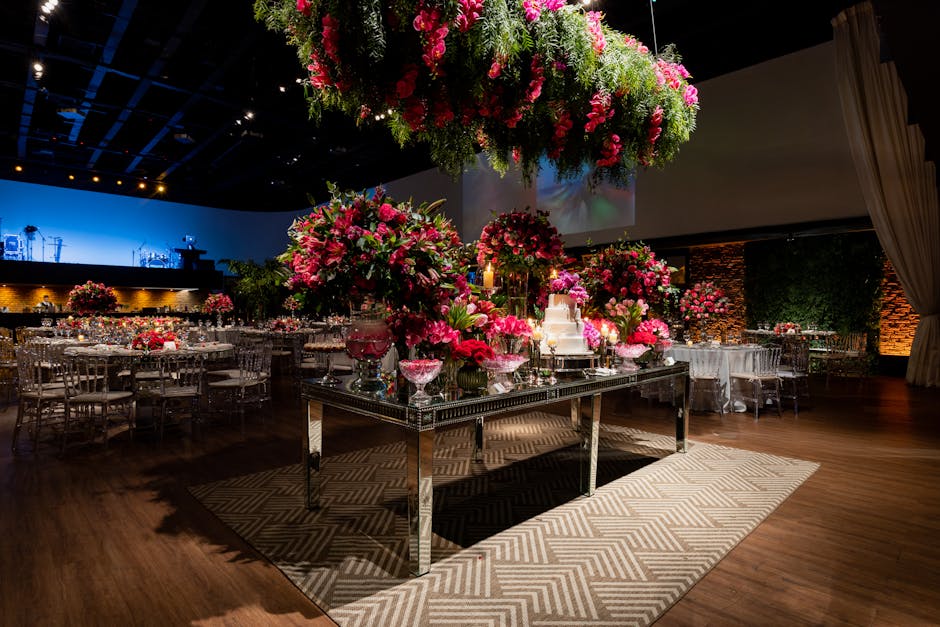
| Hanging floral installations | High | Large creative concepts | Structural approval can be strict |
| Portable flowers in vases or baskets | Low to moderate | Flexible events, quick setup | Less dramatic visual impact |
For many Paddington events, portable and elegant arrangements are the easiest win. A well-chosen vase or basket arrangement is often easier to approve and easier to move. If you want more durability and a tidy presentation, options such as flowers in a vase or baskets and posies can be practical starting points. They are not flashy for the sake of it. They just work.
Case Study or Real-World Example
Picture a small corporate reception near Paddington. The organiser wants a polished floral welcome, a branded backdrop, and table arrangements for a networking dinner later that evening. On paper, the idea is straightforward. In reality, the venue is in a shared building with tight lift access and a strict turnaround window between afternoon and evening use.
What worked best was not pushing for the biggest possible display. Instead, the team proposed:
- two compact entrance arrangements
- low table centres to keep conversation easy
- a lightweight, freestanding welcome piece rather than a fixed backdrop
- delivery timed outside the busiest guest arrival period
The permit request was approved more smoothly because it was clear, modest, and respectful of the venue's constraints. The room still looked impressive. Guests noticed the flowers immediately, but the setup never got in the way. That is usually the sweet spot. You want a display people admire, not a display people have to work around.
One small but important detail: the florist supplied a written note explaining how the bases would be protected and how the arrangements would be removed without marking the flooring. That alone helped the venue feel comfortable. It was a tiny thing, but tiny things matter in event planning. They really do.
Practical Checklist
Use this before confirming floral displays for a Paddington venue.
- Have you asked whether floral displays need written approval?
- Do you know the venue's rules on height, placement, and fixings?
- Have you shared a simple visual or layout?
- Are delivery, setup, and removal times agreed?
- Have you checked access, lifts, loading bays, and security procedures?
- Do you know whether candles, wires, tape, or hanging items are restricted?
- Has anyone asked for a risk assessment or method statement?
- Have you confirmed who is responsible if the room layout changes?
- Is the display stable, water-safe, and suitable for the surface it will sit on?
- Do you have written approval saved in one place?
Quick takeaway: if the display is larger, higher, heavier, or more fixed in place, assume the venue will want more detail. If it is smaller and portable, approval may still be needed, but the process is usually simpler.
Conclusion
Permits for event flower displays at Paddington venues are really about protecting the event, the venue, and the floral design itself. Once you stop thinking of permits as red tape and start treating them as part of the setup plan, things become a lot easier. You get fewer surprises, better coordination, and a display that feels intentional rather than improvised.
In Paddington, where venues are often busy, shared, and schedule-sensitive, a clear approval process is not a nuisance. It is part of doing the job properly. Ask early, document clearly, and choose designs that fit the space. That way the flowers can do what they are meant to do: lift the room, make people smile, and quietly hold the atmosphere together.
If you are comparing options for an event or trying to finalise a floral plan, take the time to check what the venue will allow before you fall in love with a design. It saves stress, saves money, and honestly, it saves a fair bit of last-minute pacing around as well.
Get a free quote today and see how much you can save.
And if you are still weighing things up, that is perfectly normal. The best event plans are rarely rushed. They are calm, clear, and made with a bit of care.
Frequently Asked Questions
Do all Paddington venues require permits for flower displays?
Not always, but many venues do require some form of approval, especially for larger, freestanding, or fixed floral installations. Smaller table arrangements may be simpler, yet it is still sensible to check in writing before the event.
How early should I ask about flower display permission?
As early as possible, ideally during the initial venue planning stage. If the display is complex, the venue may need time to review access, safety, and installation details. Last-minute requests can be harder to approve.
What information should I send to the venue?
Send a brief description of the display, its size, where it will be placed, how it will be installed, and when it will be delivered and removed. A picture, sketch, or mood board often helps a lot.
Are table flowers treated differently from arches or backdrops?
Yes. Table flowers are usually lower risk and easier to approve, while arches, hanging pieces, and branded installations often need more detailed sign-off because they affect space, structure, or safety.
Can I use candles with floral displays?
Only if the venue allows it. Many venues have strict fire safety rules, and some do not permit open flames at all. Always confirm before planning flowers around candles or other heat sources.
What if the venue changes the room layout after approval?
Ask for the updated layout straight away and check whether your floral plan still fits. If the footprint changes, your original approval may no longer be enough, especially if the display now affects access or sightlines.
Do I need insurance or a method statement?
Sometimes, especially for larger installations or work in managed buildings. Venues may ask for supplier insurance or a short method statement. It is not unusual, and it is worth having those documents ready if you work regularly in events.
What is the main reason venues refuse floral displays?
Usually it is not the flowers themselves. It is the setup method, the size, the location, or the risk of blocking routes, damaging the property, or interfering with safety requirements. Clear planning avoids most refusals.
Can flower displays be installed before the event day?
Sometimes yes, but it depends on the venue, access, and how well the flowers will hold up. Many venues prefer setup on the day, while others allow earlier installation if the schedule is controlled and the display is stable.
Are there extra rules for hotels or shared buildings in Paddington?
Very often, yes. Hotels and shared buildings may have separate management rules, loading restrictions, or security procedures. Even if the event host agrees, building management may still need to approve the display.
What should I do if I am unsure whether a display needs permission?
Ask. A short email to the venue is better than guessing. Describe the floral idea plainly and ask whether formal approval is needed. That single step can save a lot of hassle later.
What kind of floral display is easiest to approve?
Low, portable, self-contained arrangements are usually the easiest. Think table centres, vase displays, and modest entrance pieces rather than fixed structures or overhead installations. Simpler can still look beautiful, thankfully.
Where can I find suitable flower options for an event?
You can browse general event-friendly selections such as best sellers, more premium options like florist choice, or wedding-focused ranges if the event is bridal. Matching the flowers to the venue rules makes the final result much easier to manage.