Westminster Council rules on street flower stalls in Paddington
Posted on 23/09/2026
Westminster Council rules on street flower stalls in Paddington: a practical guide for traders, organisers, and nearby businesses
If you are looking into Westminster Council rules on street flower stalls in Paddington, you are probably trying to work out a simple question with surprisingly messy answers: can you trade here, what do you need, and how do you avoid a costly mistake? Paddington is busy, visible, and full of footfall, which makes it attractive for flower stalls. It also means there are tighter expectations around public space, pavement width, safety, waste, and the wider street scene. In plain English, you cannot just turn up, put down buckets of roses, and hope for the best.
This guide breaks the topic down clearly. We will look at how the rules tend to work in practice, why they matter, what traders usually need to think about, and the common traps that catch people out. We will also cover useful next steps, whether you are setting up a new stall, checking if an existing pitch is acceptable, or comparing street trading with other local flower options such as flower delivery in Paddington W2 or a more established Paddington florist. Simple enough on paper. A bit less simple on the pavement, as it happens.
Quick summary: flower stalls in Westminster are typically shaped by street trading controls, public safety expectations, planning or highways considerations, and practical nuisance issues such as obstruction, litter, and display size. Paddington's busy streets make those checks especially important.
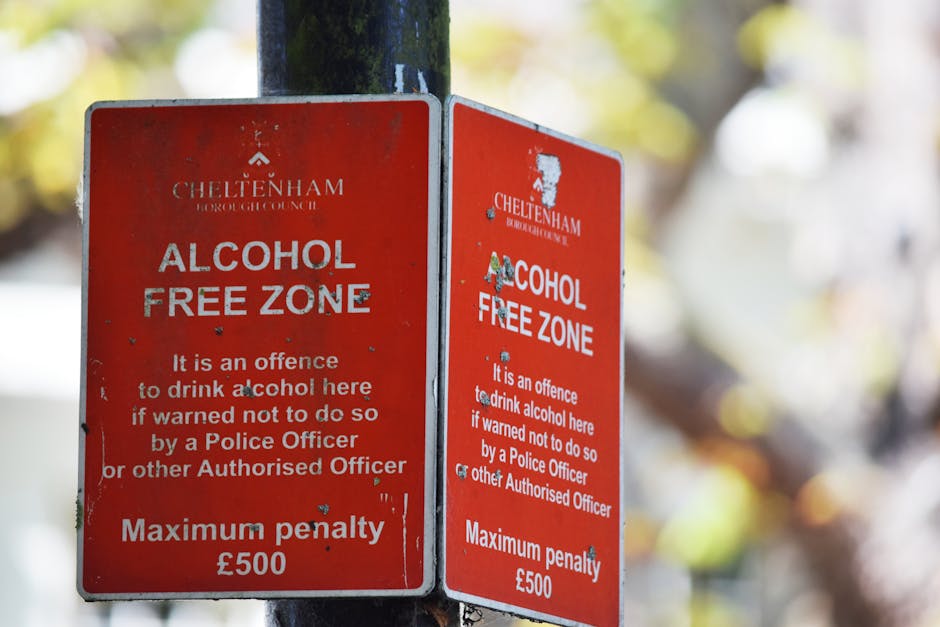
Why Westminster Council rules on street flower stalls in Paddington Matters
Street flower stalls might look informal, but the rules around them are rarely casual. Westminster is one of the busiest parts of London, and Paddington sits in a location where transport flows, hotel traffic, commuters, residents, and visitors all mix together. That creates opportunity, yes, but also pressure on pavements and public space.
For traders, the rules matter because they can affect whether you are allowed to trade at all, where you can stand, how large your display can be, and whether your stall creates a public nuisance. For residents and nearby businesses, the rules help keep walkways clear and reduce the kind of clutter that makes a street feel cramped by 9:00 in the morning. You know the sort of thing: a busy corner, bags brushing past buckets, someone trying to get a suitcase around a flower stand, and a delivery bike wobbling through the gap. It only takes one awkward pitch to create a daily problem.
There is also a reputational angle. A well-run flower stall can add colour and life to a street. A poorly managed one can look messy very quickly. Westminster Council's approach is usually aimed at balancing those two things. In other words, the council is not just trying to stop trading; it is trying to control how trading happens in a dense urban area.
Why this matters in Paddington specifically:
- footfall can be heavy at peak travel times
- pavement space is often limited or shared
- building entrances, hotel frontages, and access routes need to stay clear
- weather exposure means stock presentation and waste control matter more than many traders expect
If you are thinking about selling flowers locally, it is also worth understanding the broader market demand. People in the area may buy on impulse, but they also want convenience. That is why many traders compare a street stall with online ordering options such as same-day flower delivery in Paddington W2 or seasonal lines from a best flower delivery service in Paddington W2. Different models, different rules, different customer expectations.
How Westminster Council rules on street flower stalls in Paddington Works
In practical terms, a street flower stall is usually treated as a form of street trading or use of public space. The exact controls can depend on where the stall sits, whether it is on council land, a highway, or private frontage, and whether the site is already subject to local restrictions. That is the first thing many people miss. They assume the issue is only about flowers. It is not. It is also about where those flowers are being sold.
Generally, the council will look at a few core points:
- Location: whether the pitch is suitable and whether trading would block movement, sightlines, or access
- Permission: whether the trader has the right approval for that pitch or activity
- Safety: whether the display can operate safely without creating trip hazards, spill risks, or crowding
- Cleanliness: whether water, leaves, wrapping, broken stems, and packaging are properly managed
- Neighbour impact: whether the stall would cause noise, obstruction, or complaints
There may also be wider street scene or licensing considerations. Some traders ask whether a flower stall can simply be "temporary" and therefore easier. Sometimes temporary operations are easier to manage, but temporary does not mean exempt from rules. A one-day display outside a hotel can still cause problems if it narrows the pavement or interferes with the building entrance.
In our experience, the most useful way to think about it is this: if the stall affects public space, it needs to be treated as a public space issue first and a retail idea second. That sounds a bit blunt, but it helps.
If your business model is more about local delivery than roadside selling, the compliance picture is usually simpler. Many traders use a mix of stall sales and online orders, especially when promoting send flowers in Paddington W2 alongside walk-up sales. That hybrid approach can reduce pressure on the stall itself and smooth out quieter periods.
Key Benefits and Practical Advantages
Working within the council's rules may sound restrictive, but there are real advantages to doing it properly. The obvious one is avoiding enforcement trouble. The less obvious one is building a stall that feels dependable and professional, which matters more than people think.
Key benefits of getting the rules right:
- Lower risk of enforcement action: fewer disputes, warnings, removals, or interruptions
- Better customer trust: people buy more confidently from a stall that looks orderly and legitimate
- Cleaner presentation: flowers sell better when the stand feels fresh, tidy, and intentional
- Stronger trading location: a compliant pitch is easier to keep long term
- Less friction with neighbours: hotels, shops, and residents are more likely to tolerate a well-run stall
There is also a commercial upside. A flower stall that is set up with proper spacing, clear pricing, and organised stock can convert quick passers-by more effectively than a stall that feels cramped or improvised. People walking through Paddington often make split-second buying decisions. A neat display of roses, tulips, or mixed seasonal bouquets can do very well if the stall feels safe and easy to browse.
And let's be honest, a good flower stall just feels nicer to be around. That matters in a place where people are already in a hurry. A bit of colour can lift a corner of the street. A lot of clutter can do the opposite.
Who This Is For and When It Makes Sense
This topic is relevant to several types of people, not only traditional market traders. If any of the below sounds like you, this guide is worth paying attention to.
- Independent florists looking to trade outdoors in Paddington
- Event sellers planning temporary flower sales near venues, hotels, or stations
- Market or pitch operators responsible for layout and compliance
- New entrepreneurs testing whether a flower stall is viable before opening a shop
- Businesses with frontage that want decorative outdoor displays without crossing the line into nuisance
It also makes sense if you are comparing a stall with other ways of selling flowers. Some traders prefer a physical pitch because it captures impulse sales and suits seasonal peaks. Others would rather focus on delivery-based sales, subscriptions, or special occasions. If that is where you are headed, the wider product range at a local florist can help you understand what customers in Paddington tend to expect, from birthday flowers in Paddington W2 to funeral flowers in Paddington W2 and wedding flowers in Paddington W2.
When it makes sense to pursue a street stall:
- you have a clearly identified pitch or trading opportunity
- you can manage stock, water, and waste neatly
- your display is compact enough for the site
- you can cover busy periods with enough staffing
- you are prepared to follow local conditions without improvising every morning
If the answer to most of those is no, a different sales model may be simpler. No shame in that. Not every good florist needs a pavement pitch.
Step-by-Step Guidance
Below is a practical way to approach Westminster Council rules on street flower stalls in Paddington without getting lost in the weeds. Not literally the weeds, obviously. Those need binning.
- Identify the exact trading location. Before anything else, work out whether the stall is on a public pavement, outside a private premises, or on land with a different managing body. The rules can change depending on the site.
- Check whether the pitch is suitable. Ask whether the display would leave enough space for pedestrians, wheelchairs, buggies, luggage, and emergency access. In Paddington, that question is not academic.
- Confirm the correct permission route. Depending on the site and trading model, you may need permission for street trading or use of public space. Do not assume verbal approval from a nearby occupier is enough.
- Plan the stall layout carefully. Keep the footprint tight, stable, and orderly. Water containers should be secure. Loose wraps, ribbons, and packaging should not blow across the pavement.
- Think through daily operations. Who sets up? Who clears away? What happens if it rains heavily or footfall surges at commuter time? A stall that works on paper can still fail in a wet Tuesday morning rush.
- Prepare for cleanliness and waste control. Flower stalls naturally create stem cuttings, wilted petals, water drips, and packaging waste. Build that into the workflow from the start.
- Check your pricing and product mix. Small bunches, seasonal stems, posies, and premium hand-tied arrangements all serve different buyers. Local customers may want quick purchases, while others will ask for something more polished.
- Monitor complaints and adjust fast. If people are regularly struggling to pass, or nearby operators are unhappy, treat that as a real signal. Do not wait for the problem to become formal.
One useful habit is to stand where the customer would stand and look around. Can you still see the doorway? Can a pram pass? Is there a clean edge to the stall, or does it spill everywhere like a Saturday morning jumble sale? That little exercise reveals more than a desk check ever will.
Expert Tips for Better Results
If you want the stall to work smoothly, the details matter. They always do. The flowers may be the star, but the operating discipline is what keeps the thing viable.
Practical tips that make a genuine difference:
- Keep the display shallow: a narrower front often works better than a deep, sprawling setup
- Use sturdy containers: sloshing water and unstable buckets create avoidable mess
- Choose flowers that travel well: hardy stems and compact arrangements are easier to manage on a street pitch
- Prepare for weather: wind, rain, and sudden temperature changes can ruin a display quickly
- Label clearly: simple pricing cuts down on questions and speeds up sales
- Keep packaging tidy: customers notice the difference immediately
Another tip: do not overload the stall with every product you sell. A smaller, curated display often performs better than a chaotic full inventory. For example, pairing a modest selection of best sellers with a handful of occasion-led options can make the stall feel sharper. If you are targeting impulse buyers, a tidy mix of cheap flowers and a few premium stems can give you flexibility without clutter.
And yes, there is a human side to this. People buy flowers when they are in a mood - celebratory, apologetic, thoughtful, or occasionally rushing because they forgot an anniversary. A stall that looks calm and easy helps them make the purchase. Panic is not great for bouquet selection, truth be told.
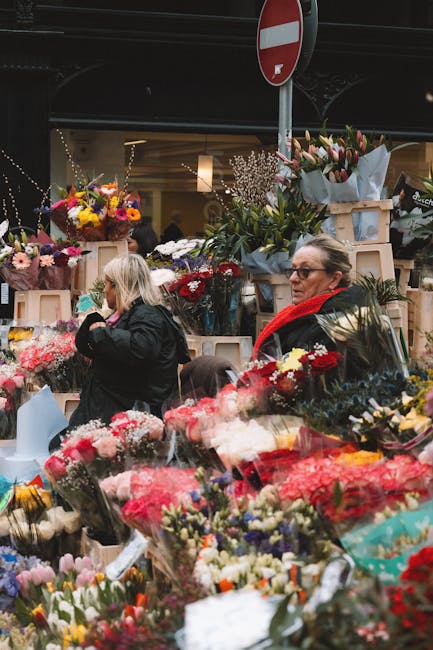
Common Mistakes to Avoid
Most problems with street flower stalls do not come from bad flowers. They come from poor site judgement, sloppy layout, or assuming a busy street makes everything okay. It does not.
- Setting up without clear permission: this is the most obvious mistake, and still one of the most common
- Blocking pedestrian flow: even a small obstruction can be a major issue in a tight area
- Ignoring waste: wet leaves, broken boxes, and wrapping quickly create a poor impression
- Overcrowding the display: more stock is not always better if it makes the stall look messy
- Using unstable fixtures: anything that topples in wind or bumps can create safety concerns
- Failing to adapt to the site: one pitch may suit a compact stand, another may not
- Assuming "everyone does it": street trading habits vary, and informal copying is not a reliable compliance strategy
A smaller mistake, but still an annoying one, is not planning for opening and closing times. A stall that looks acceptable at 8:00 a.m. may be in the wrong place by mid-morning when the street gets busy. Timing matters. So does how quickly you can pack down.
One more: do not treat customer experience and compliance as separate worlds. A flower stall that is compliant but unattractive will underperform. A lovely-looking stall that is non-compliant is still a problem. Both sides count.
Tools, Resources and Recommendations
You do not need a huge toolkit, but you do need the right basics. Think practical, not fancy.
Useful tools and operational essentials:
- stable buckets or containers with secure bases
- clean signage for prices and product names
- waste bags and a simple end-of-day clean-up routine
- non-slip mats or protective base layers where appropriate
- weather protection such as covers or weighted displays
- a clear stock list so you do not overcarry or overdisplay
Recommended supporting pages on this site:
- flower care guidance for keeping stock fresh on the stall and after purchase
- delivery information if you want to combine stall sales with local fulfilment
- about us for a sense of the business behind the service
- guarantees if you want confidence in product or service standards
- sustainability if eco-friendly sourcing and packaging matter to your customers
If you are building a flower business that spans both street trading and online orders, a broader range can help. For example, seasonal options like summer flowers, occasion-led ranges such as congratulations flowers, or sympathy lines like sympathy flowers can give you more resilience across the year. That flexibility can make a real difference when footfall changes.
Law, Compliance, Standards, or Best Practice
This is the section where careful wording really matters. The exact legal route for a flower stall in Paddington can depend on the site, the nature of the pitch, and the permissions in force at that location. Westminster Council rules on street flower stalls in Paddington are not something to guess at, because street trading, pavement use, and public realm management can involve more than one layer of control.
As a general best-practice approach, think in terms of the following:
- Permission first: never assume a pitch is available just because it looks unused
- Safe passage: keep enough space for normal pedestrian movement and access needs
- Public nuisance: avoid noise, mess, and encroachment that affect neighbours
- Clean operation: clear waste, manage water, and keep the area orderly
- Consistency: trade in the way you said you would trade, not in a more convenient but less compliant way
For flower sellers, practical standards often matter as much as formal rules. A good stall should look tidy, be easy to navigate, and feel safe at all times. If a customer has to squeeze past stacked boxes or step around pooling water, something needs fixing. Quickly.
It is also sensible to align stall operations with general UK expectations around accessibility and safe public use. That does not mean every stall needs to be grand or overly engineered. It means the setup should not make life harder for people with mobility aids, luggage, prams, or limited visibility.
Expert note: if your flower stall attracts spontaneous customers in a busy Paddington street, the "nice-looking but awkward" setup is the one most likely to cause problems. Compact, clean, and predictable usually wins.
Options, Methods, or Comparison Table
There is no single right way to sell flowers locally. The best choice depends on your space, your stock, and how much operational control you want. The table below compares three common approaches.
| Option | What it suits | Strengths | Drawbacks |
|---|---|---|---|
| Street flower stall | Impulse sales, busy pedestrian areas, seasonal trading | High visibility, immediate customer contact, strong local presence | More compliance pressure, weather exposure, space constraints |
| Shop-based florist | Broader ranges, repeat customers, gifting and events | Better stock control, stronger branding, less exposure to street clutter issues | Higher fixed costs and less walk-by spontaneity |
| Delivery-led model | Convenience buyers, planned occasions, wider service area | Flexible trading, easier scaling, less dependence on one pitch | Needs strong logistics and order management |
If you are still weighing your options, it may help to look at the kind of products customers in the area tend to buy. A stall near transport links may do well with quick grab-and-go bunches, while online or delivery channels can support bigger purchases and occasion flowers such as anniversary flowers, birthday flowers, or get well arrangements.
Case Study or Real-World Example
Imagine a small florist planning a weekday flower stall near Paddington. The owner starts with a generous display: lots of buckets, some loose wrapping, a few signs, and extra stock "just in case." On a quiet morning, it looks charming enough. Then the commuter flow starts building. Suitcases roll through. A delivery rider slows down. Two people try to pass in opposite directions. Suddenly the display feels too broad, and the corner looks cluttered.
After a few days, the setup gets refined. The stall footprint is narrowed. Only the best-moving stock is displayed. Waste bags are hidden but accessible. Prices are clearer. A small back-up box is kept out of sight. The result is better all round: easier movement, fewer awkward interactions, and a display that looks more deliberate.
That is the real lesson behind street flower stall compliance. It is not just about satisfying a rule. It is about reducing friction. A clean, well-ordered pitch usually sells better because it feels like part of the street rather than something temporarily dropped onto it.
In the same business, the owner might choose to support stall sales with local delivery of products such as florist choice arrangements or luxury flowers. That mix can be handy when the weather is poor or footfall changes. You do not need to bet everything on one pavement pitch. Honestly, that would be a bit much.
Practical Checklist
Use this checklist before you trade, especially if you are setting up in Paddington for the first time.
- Have I confirmed the exact location and whether it is suitable for a flower stall?
- Do I know what permissions, approvals, or restrictions apply?
- Will pedestrians still have enough clear space to pass comfortably?
- Is the stall stable, compact, and safe in windy or wet conditions?
- Have I planned waste disposal, water handling, and end-of-day clean-up?
- Are my prices visible and my product selection realistic for the site?
- Do I have a contingency plan for rain, delays, or higher-than-expected footfall?
- Have I checked that the stall will not block entrances, exits, or access routes?
- Could a person with a buggy, suitcase, or mobility aid pass without hassle?
- Am I prepared to adapt quickly if customers, neighbours, or the site operator raise concerns?
If you can tick most of those confidently, you are in a much better place. If not, slow down and fix the weak spots first. Better that than learning the hard way on a busy Monday morning.
Get a free quote today and see how much you can save.
Conclusion
Westminster Council rules on street flower stalls in Paddington are really about balance: keeping the area attractive and lively while protecting access, safety, and local order. If you treat the stall as a genuine street-use operation rather than a casual pop-up, you are far more likely to get it right. That means checking the location carefully, keeping the layout compact, managing waste properly, and respecting the people who move through the area every day.
For some traders, the best path will be a carefully managed stall. For others, a delivery-led or shop-based model will be simpler and more profitable. There is no shame in choosing the option that fits the site and the workload. The main thing is to be realistic. Paddington can be a brilliant place to sell flowers, but only if the setup is thoughtful and compliant from the start.
And if you are doing it properly, the stall can be lovely - a little burst of colour, a small pause in the rush, something that makes the street feel more human. That counts for a lot, more than people sometimes admit.
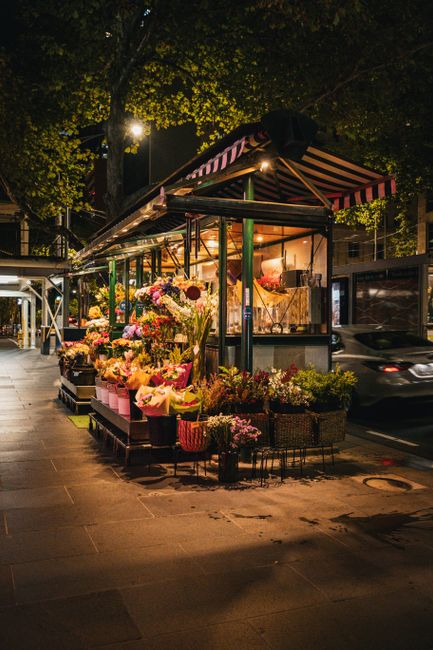
Frequently Asked Questions
Do I need permission to run a street flower stall in Paddington?
In most cases, yes, you should expect some form of permission or approval to be needed. The exact route depends on the pitch, the landowner or managing authority, and how the stall operates. Do not assume a spot is available just because it looks open.
Can I just place a flower stand on the pavement outside a shop?
Not safely, no. Even if the shop likes the idea, pavement trading can still be controlled by local rules. You need to check that the stall will not obstruct pedestrians, access points, or other public uses of the space.
What makes a flower stall unsuitable in a busy area like Paddington?
Common issues include narrow pavements, high pedestrian flow, nearby entrances, luggage traffic, and poor layout. If the stall creates a bottleneck or makes the street feel cluttered, it is usually a problem.
Are temporary flower stalls easier to set up than permanent ones?
Sometimes they are easier operationally, but temporary does not mean exempt from rules. A short-term display can still need permission and still be judged against safety, access, and nuisance concerns.
What are the biggest compliance risks for a flower stall?
The biggest risks are trading without the right approval, blocking the pavement, leaving water or waste behind, and overextending the stall footprint. Those issues are simple on paper, but they cause the most trouble in practice.
How can I make a flower stall look professional?
Keep the display neat, price items clearly, limit clutter, and use sturdy containers. A smaller tidy stall usually looks more professional than a larger one that feels chaotic.
Do I need different arrangements for street sales and delivery sales?
Often, yes. Street sales usually work better with compact, resilient designs that can be chosen quickly, while delivery sales can support broader ranges and more premium presentation. Many businesses use both.
What should I do if my flower stall causes complaints?
Take the complaint seriously and review the layout, timing, and waste handling immediately. Sometimes a small adjustment solves the issue. If not, the site may not be suitable for that kind of trading.
Can flower stalls sell other gift items too?
They can, but you should keep the pitch organised and avoid making it look like a cluttered general market stand. Small, relevant extras can work well; too many add-ons can create both visual and practical problems.
Is a street flower stall better than a florist shop in Paddington?
It depends on your business model. A stall can be excellent for impulse trade and visibility. A shop is better for broader ranges, repeat custom, and weatherproof operations. Many businesses compare both before deciding.
How do I know if a site is safe for flower trading?
Look at foot traffic, pavement width, access points, weather exposure, and nearby activity. If people cannot move comfortably around the stall, the site probably needs a different layout or a different trading approach.
What is the best first step if I want to trade flowers in Paddington?
Start by identifying the exact location and checking the permission route before buying equipment or stock. That one step saves a lot of wasted effort later. It really does.